Discover Electronics Recycling for Safe Disposal
Sustainable Solutions: How E-Waste Recycling Services Are Saving Our Planet
Electronic waste presents serious dangers to the environment, as disposed electronics frequently harbor hazardous substances. These hazardous substances can contaminate soil and water, resulting in widespread environmental harm. E-waste recycling services present a viable solution. They successfully retrieve useful resources while simultaneously minimizing environmental pollution. Gaining insight into how these programs function and affect local communities is critical. The journey towards effective e-waste management raises critical questions about individual responsibility and collective action. What steps can be taken next?
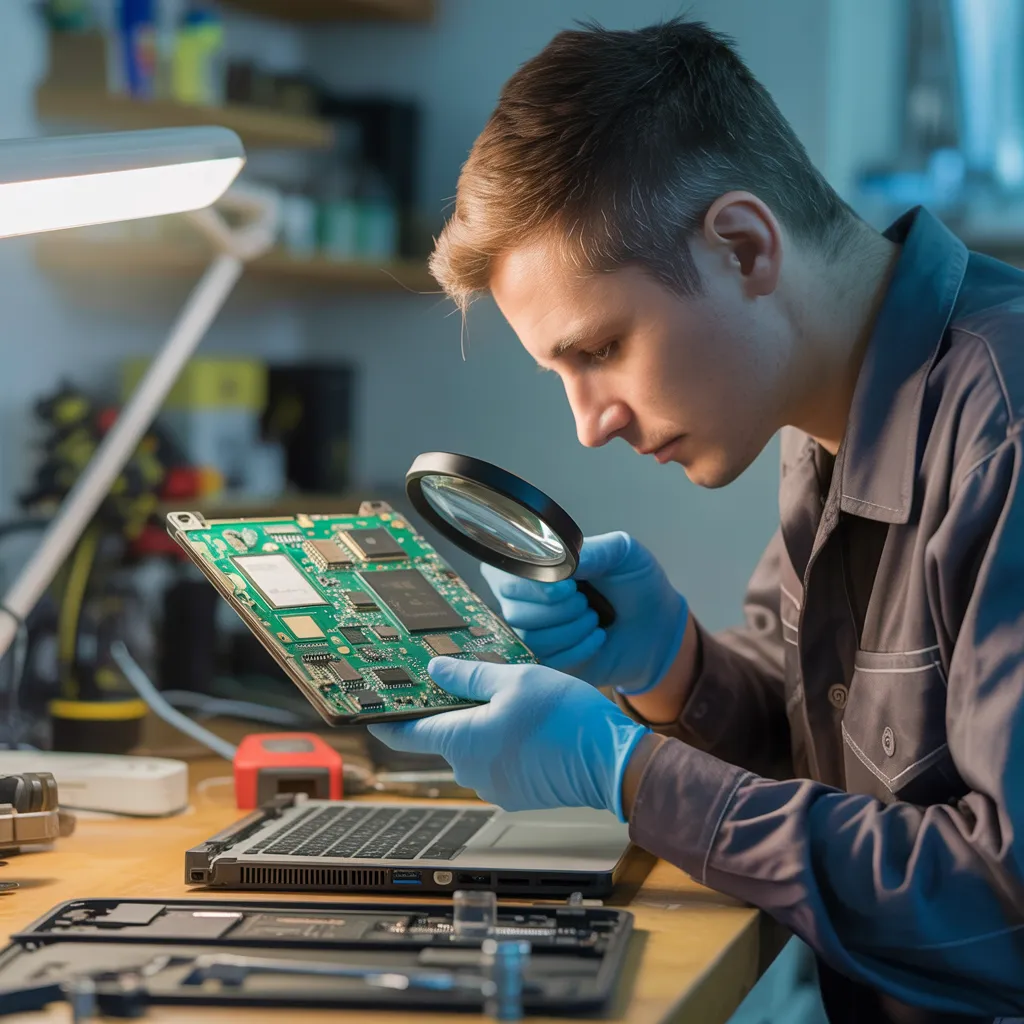
Why E-Waste Poses a Threat to the Planet
While technology enriches contemporary living, e-waste poses serious threats to the environment. Disposed electronic equipment, commonly laden with dangerous compounds like lead, mercury, and cadmium, may release harmful substances into soil and groundwater, posing risks to human health and ecosystems. The rapid pace of technological advancement contributes to higher rates of electronics disposal among consumers, worsening the buildup of discarded electronic materials.
Landfills, already strained by waste, are unable to keep up with the rising quantities of abandoned electronics. Burning, an alternative disposal approach, discharges toxic contaminants into the air, worsening overall air quality. Moreover, poor recycling procedures can cause e-waste to be sent to developing regions, where employees may disassemble electronics without sufficient safety precautions, leaving them vulnerable to harmful substances. This pattern of negligence and mismanagement highlights the critical demand for eco-friendly recycling alternatives that can reduce the damaging impact of electronic waste on the environment.
What Is E-Waste and Why Does It Matter?
Electronic waste, commonly known as e-waste, includes discarded electronic devices like smartphones, computers, and televisions that are no longer functional or needed. This growing category of waste is significant because of its swift buildup, fueled by innovation in technology and shifting consumer habits. With an increasing number of devices reaching obsolescence, the environmental impact intensifies, with harmful substances like lead, mercury, and cadmium posing risks to ecosystems and human health.
The significance of tackling e-waste extends beyond minimizing these risks to recognizing the valuable resources it holds. Critical metals and rare earth components can be reclaimed and recycled, decreasing the reliance on mining and protecting natural resources. With a thorough understanding of e-waste and its impact, people and organizations alike can make educated decisions about disposal and recycling, helping to build a more sustainable world. Effective handling of e-waste is vital for encouraging a circular economy and advancing environmental responsibility.
The Way E-Waste Recycling Functions
The recycling of e-waste encompasses an organized procedure designed to recover valuable materials while minimizing environmental impact. Initially, e-waste is collected and transported to purpose-built recycling plants. Once there, the devices undergo thorough sorting to distinguish harmful elements from reusable resources.
Subsequently, specialists dismantle the products, extracting metals, plastics, and glass. This phase is essential, as it enables the reclamation of rare metals like silver, gold, and copper, which may be utilized in new electronic devices.
Afterward, the divided materials are processed through sophisticated techniques, such as chemical treatments and shredding, to purify them for recycling.
Finally, the leftover hazardous materials are disposed of responsibly, following eco-friendly standards. This comprehensive process not only saves important resources but also mitigates the risks associated with unsafe e-waste handling, ensuring a more sustainable future for electronic device usage.
Benefits of E-Waste Recycling for You and Your Community
Though many people are unaware, the benefits of e-waste recycling extend beyond personal convenience to positively impact entire communities. By responsibly disposing of electronic waste, individuals play a role in creating a healthier environment, reducing hazardous materials that can leach into soil and water. This responsible method helps preserve local ecosystems and promotes public health.
In addition, e-waste recycling promotes workforce growth within communities. Nearby recycling establishments regularly need employees for diverse activities, spanning collection through processing, therefore offering work opportunities for community members. This not only stimulates the local economy but also inspires community dedication to sustainable efforts.
Additionally, awareness of e-waste recycling may result in awareness campaigns, enabling residents to make environmentally conscious decisions. By engaging with e-waste recycling programs, individuals promote a culture of sustainability, prompting others to do the same. All things considered, the combined impact of these actions can create a more sustainable and conscientious community.
A Guide to Selecting an E-Waste Recycling Service
Choosing the most suitable electronic waste recycling provider is vital for making sure that electronic waste is processed responsibly and sustainably. First, consumers should confirm the company's certifications, such as R2 or e-Stewards, which indicate adherence to industry standards for responsible recycling methods. It is equally important to assess the organization's standing by reading customer reviews and obtaining advice from dependable sources.
Moreover, clarity in the recycling process is essential. A dependable service should offer detailed insights about the manner in which e-waste is managed and what happens to the materials. Additionally, considering the scope of services provided can prove valuable; some companies may provide pickup services or offer incentives for recycling.
Furthermore, familiarizing yourself with local guidelines related to e-waste disposal can help inform the decision-making process. By prioritizing these factors, consumers can play a role in responsible e-waste disposal as well as promoting environmentally responsible practices.
How You Can Get Involved in E-Waste Recycling?
Getting involved with e-waste recycling can start at the local level, where recycling centers frequently offer essential services for safe disposal. Furthermore, participating in community awareness campaigns can amplify efforts to inform others regarding the importance of responsible e-waste management. These initiatives not only advance environmental sustainability but also build a collective sense of stewardship of the environment.
Regional Recycling Centers
A wide range of community recycling facilities perform an important function in the recycling of e-waste, supplying communities with reliable ways to handle electronic waste in a responsible manner. These centers accept a selection of electronic devices, including old computers, smartphones, and televisions, making certain that hazardous materials are managed safely. The majority of facilities employ trained staff who help individuals Read on navigate appropriate disposal procedures, highlighting the value of recycling rather than landfilling. Moreover, many centers offer planned drop-off gatherings or set collection days, allowing residents to take part with ease. By utilizing these local services, community members advance a circular economy, reducing environmental impact and promoting sustainable practices. Connecting with these stations allows communities to address e-waste pollution proactively.
Community Education Campaigns
Local organizations, schools, and businesses can work together to organize events that support e-waste collection drives. Dedicated participants can take a leading part in raising awareness, sharing informational resources, and connecting with local residents. As a result of these combined actions, residents become more informed and motivated to recycle their electronic waste, thereby helping to build a greener and more sustainable tomorrow.
Questions We Often Receive
What Kinds of Electronics Can Be Recycled?
Numerous electronics are able to be recycled, including computers, smartphones, televisions, laptops, gaming consoles, and printers. Furthermore, accessories such as mice, keyboards, and batteries are equally appropriate for recycling, supporting environmental conservation efforts.
Do Any Costs Come With E-Waste Recycling?
Indeed, e-waste recycling can include fees, depending on the service provider. Some facilities impose charges for gathering or treatment, while other facilities offer free services, typically funded by the sale of reclaimed components.
How Can Businesses Benefit From E-Waste Recycling?
Businesses can benefit from e-waste recycling by reducing disposal costs, improving their green reputation, adhering to regulatory requirements, extracting valuable resources, and creating potential earnings via resale, thereby fostering a more environmentally responsible business approach.
What Occurs with Data on Recycled Devices?
Details from repurposed equipment is frequently completely removed or destroyed during processing. This guarantees sensitive information is kept safe, stopping improper access while enabling resources to be repurposed safely and responsibly in new products.
Can I Recycle Broken Electronics?
Yes, damaged electronics can be recycled. Several recycling centers receive broken devices, providing responsible disposal and extraction of recoverable materials. Doing so helps lower environmental impact while fostering responsible recycling practices to control electrical waste effectively.